

Can a wooden hinged door be used in a commercial building?
May 26, 2026
Leave a message
Can a wooden hinged door be used in a commercial building?
In the realm of commercial architecture, the choice of doors is a crucial decision that can significantly impact the overall functionality, aesthetics, and safety of a building. One option that often comes under consideration is the wooden hinged door. As a supplier of Wooden Hinged Door, I am frequently asked about the suitability of these doors for commercial settings. In this blog post, I will explore the various aspects of using wooden hinged doors in commercial buildings, weighing the advantages and disadvantages to help you make an informed decision.
Advantages of Wooden Hinged Doors in Commercial Buildings
Aesthetic Appeal
Wooden hinged doors bring a warm and inviting atmosphere to any commercial space. The natural beauty of wood, with its unique grain patterns and textures, adds a touch of elegance and sophistication. Whether it's a modern office, a boutique store, or a restaurant, wooden doors can enhance the overall aesthetic of the interior, creating a welcoming environment for customers and employees alike. For instance, in a high - end coffee shop, a set of beautifully crafted wooden hinged doors can set the tone for a cozy and refined experience.
Customizability
One of the significant advantages of wooden hinged doors is their high degree of customizability. Wood can be easily shaped, carved, and finished to meet the specific design requirements of a commercial project. You can choose from a variety of wood species, such as oak, mahogany, or cherry, each with its own distinct color and grain characteristics. Additionally, the doors can be stained, painted, or varnished to match the interior decor. This flexibility allows architects and designers to create unique and personalized door solutions that complement the overall design concept of the building.
Insulation and Acoustic Properties
Wood is a natural insulator, which means that wooden hinged doors can help to maintain a comfortable indoor temperature by reducing heat transfer. This can lead to energy savings, especially in large commercial buildings where heating and cooling costs can be substantial. Moreover, wood has good acoustic properties, which can help to reduce noise transmission between different areas of the building. This is particularly important in offices, conference rooms, and other commercial spaces where privacy and a quiet working environment are essential.
Durability
When properly maintained, wooden hinged doors can be highly durable. High - quality wood, combined with a good finish and proper installation, can withstand the wear and tear of daily use in a commercial setting. Unlike some other materials, wood can be repaired and refinished over time, extending the lifespan of the doors. For example, if a door gets scratched or damaged, it can often be sanded and refinished to restore its original appearance.
Disadvantages of Wooden Hinged Doors in Commercial Buildings
Cost
Wooden hinged doors can be more expensive than some other types of doors, such as metal or plastic. The cost of the wood itself, as well as the labor involved in crafting and installing the doors, can add up. However, it's important to consider the long - term value of wooden doors. Their durability and aesthetic appeal can make them a worthwhile investment, especially for high - end commercial projects.
Maintenance
Wooden doors require regular maintenance to keep them in good condition. This includes cleaning, staining, and sealing to protect the wood from moisture, pests, and other environmental factors. In a commercial setting, where the doors are likely to be used frequently, the maintenance requirements can be more demanding. Failure to maintain the doors properly can lead to problems such as warping, cracking, or rotting.
Fire Resistance
Compared to some other materials, such as steel or fire - rated glass, wooden doors generally have lower fire resistance. In commercial buildings, fire safety is a major concern, and in some cases, building codes may require the use of fire - rated doors. However, there are fire - treated wooden doors available on the market that can meet certain fire safety standards.
Applications of Wooden Hinged Doors in Commercial Buildings
Office Buildings
In office buildings, wooden hinged doors can be used for private offices, conference rooms, and executive suites. Their aesthetic appeal and acoustic properties make them an ideal choice for creating a professional and comfortable working environment. For example, a modern office with Modern Design Interior Doors can enhance the overall look and feel of the space, while also providing privacy and noise reduction.
Retail Stores
Retail stores often use wooden hinged doors to create an inviting entrance and to separate different areas of the store. The natural warmth of wood can attract customers and make the shopping experience more pleasant. For instance, a boutique clothing store might use Uplight Door to showcase its products and create a unique atmosphere.
Restaurants and Cafes
In the food service industry, wooden hinged doors can be used for dining areas, kitchens, and storage rooms. They can add a touch of charm and character to the establishment, while also providing functionality and privacy. For example, a rustic - style restaurant might use wooden doors to create a cozy and intimate dining experience.
Considerations for Using Wooden Hinged Doors in Commercial Buildings
Building Codes and Regulations
Before choosing wooden hinged doors for a commercial building, it's important to check the local building codes and regulations. These codes may specify requirements for fire safety, accessibility, and other factors. Make sure that the doors you choose meet all the necessary standards.
Traffic and Usage
Consider the amount of traffic and usage the doors will experience. In high - traffic areas, such as entrances and hallways, you may need to choose a more durable type of wood and a robust hinge system. Additionally, if the doors will be used frequently, you may need to plan for more frequent maintenance.
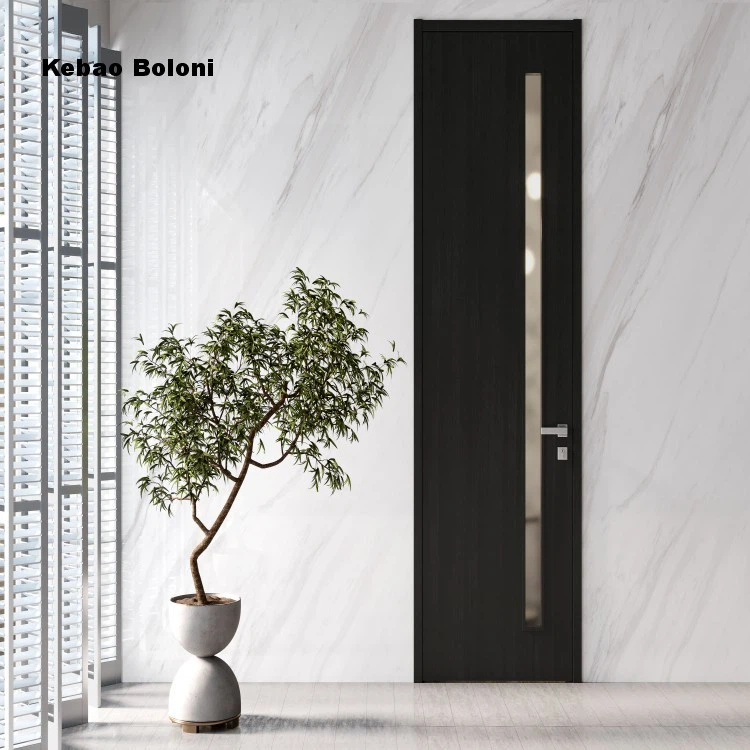

Interior Design
The doors should complement the overall interior design of the commercial building. Consider the color, style, and finish of the doors in relation to the other elements of the space. You may want to work with an interior designer to ensure that the doors fit seamlessly into the design concept.
Conclusion
In conclusion, wooden hinged doors can be a great choice for commercial buildings, offering numerous advantages in terms of aesthetic appeal, customizability, insulation, and durability. However, they also come with some disadvantages, such as cost and maintenance requirements. By carefully considering the specific needs of your commercial project, including building codes, traffic, and interior design, you can determine whether wooden hinged doors are the right choice for your building.
If you are interested in learning more about our Wooden Hinged Door products or have any questions about using them in your commercial building, we encourage you to contact us for a detailed discussion. Our team of experts is ready to assist you in making the best decision for your project.
References
- Building Construction Handbook, various editions
- Woodworking and Joinery Manuals, multiple publishers
- Commercial Interior Design Guides, industry - specific authors