


The Mountain Has A Thousand Faces, Walk Towards The Mountain
Aug 05, 2025
Leave a message
The peaks reach the sky only a fraction of an inch.
Mountains, like giants, near the sky, gaze down upon all life, utterly solitude.
A gentle breeze blows, and cliffs jut out.
The mountains are precipitous, many peaks to be admired but not approached. Mountains appear numerous times in literature and art, in poetry, films, and paintings.
Mountains have thousands of faces, and they are different in different works.
The higher the mountain, the more challenging it is. Even the summit of the world is always filled with those who aspire to reach the summit.
In the movie "The Wildest Dream," mountains are the goal of generations of climbers. Mountaineer George Mallory, using the most primitive tools, reached the limit. He climbed Mount Everest three times, but each failure did not dampen his resolve to conquer it. Just over 200 meters from the summit, he disappeared, buried in the snow and wind. Whether he ever reached the summit remains a mystery. And countless others have since retrace his steps. A reporter once asked George Mallory: Why wait for the mountain? "Because it's right there," he replied.
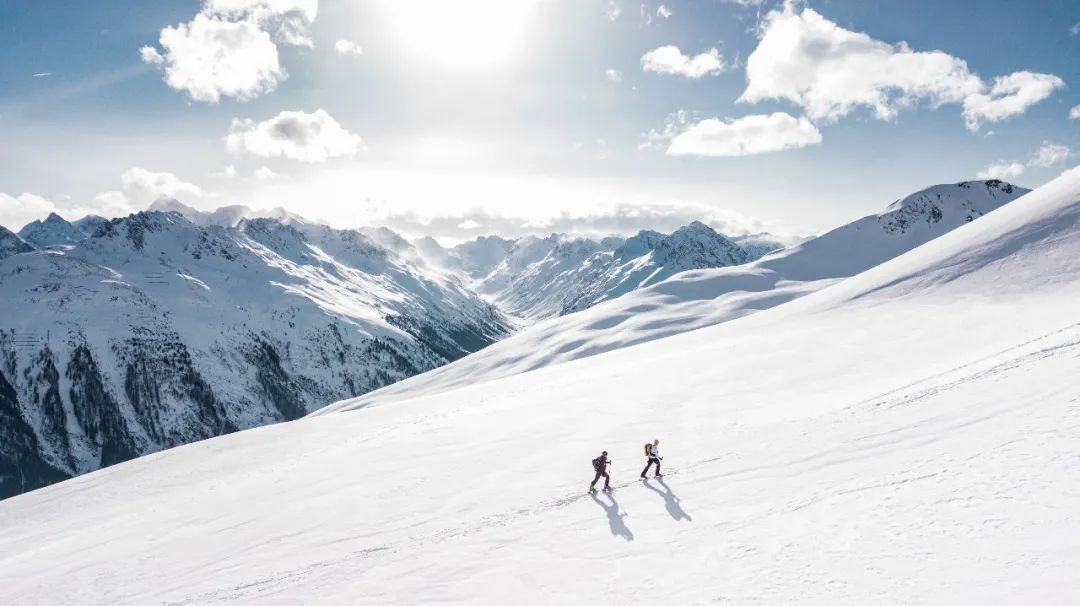
In this movie, climbing may not require too many reasons. The mountain standing there is the goal.
Climbing never ends.
In the novel "The Mountain," science fiction writer Liu Cixin portrays mountains as more than just mountains. Aliens arrive and create a water mountain on Earth. After an Earth climber reaches the summit, the aliens engage in a conversation about the mountain:
"We created a mountain, and you climbed it."
"I love climbing mountains."
"It's not a question of whether I like it or not; we must climb mountains."
"Why? Are there many mountains in your world?"
"Mountains are everywhere; the methods of climbing them vary."
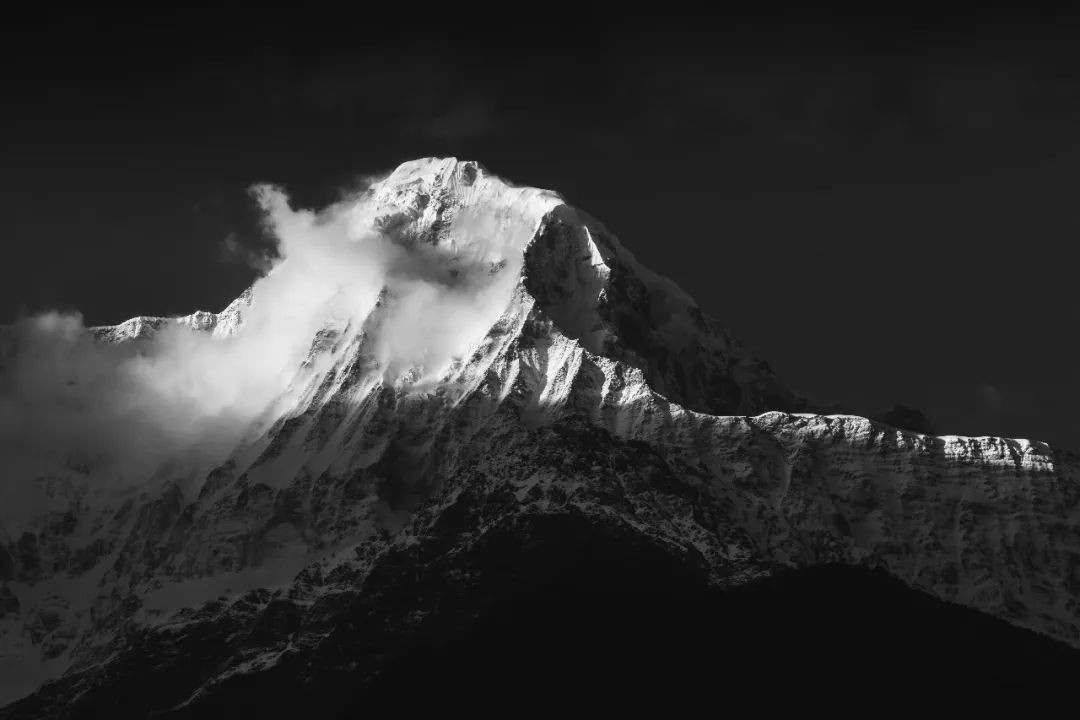
Mountains are ubiquitous, imbued with philosophical meaning. Here, mountains are more than just figurative objects; they have become the very object of progress. Only by climbing over them can one achieve transcendence.
Mountains are also romantic.
"Giant Mountains," by renowned German landscape artist Caspar David Friedrich, captures the romantic side of mountains. The rolling hills are rich in color and form. The intertwined landscape is majestic yet also endlessly lingering. The mountains here are neither sharp nor ostentatious; they are towering, yet they do not feel alienated. Although the painting is realistic, the soft colors lend the mountains a layer of charm and a touch of romance.

Mountains are multifaceted, and Boloni saw their majestic loneliness.
Cai Ming traveled to Milan alone for the first time, and from that solitude, she saw the future of the Chinese home furnishing industry. She constantly strives for self-improvement, holds herself to extremely high standards, and pursues difficult yet righteous tasks. She travels further and further down the lonely road, leaving only a determined figure behind.
Choosing excellence inevitably leads to loneliness; the more difficult the road, the fewer people will share it. To see the most beautiful scenery, solitude is inevitable. There is only one highest mountain, and only a few stand at the top. For 30 years, she has built her business through arduous struggles, forged ahead in solitude, and scaled one invisible mountain after another. This time, facing the true peak, she also has a heart determined to conquer it.
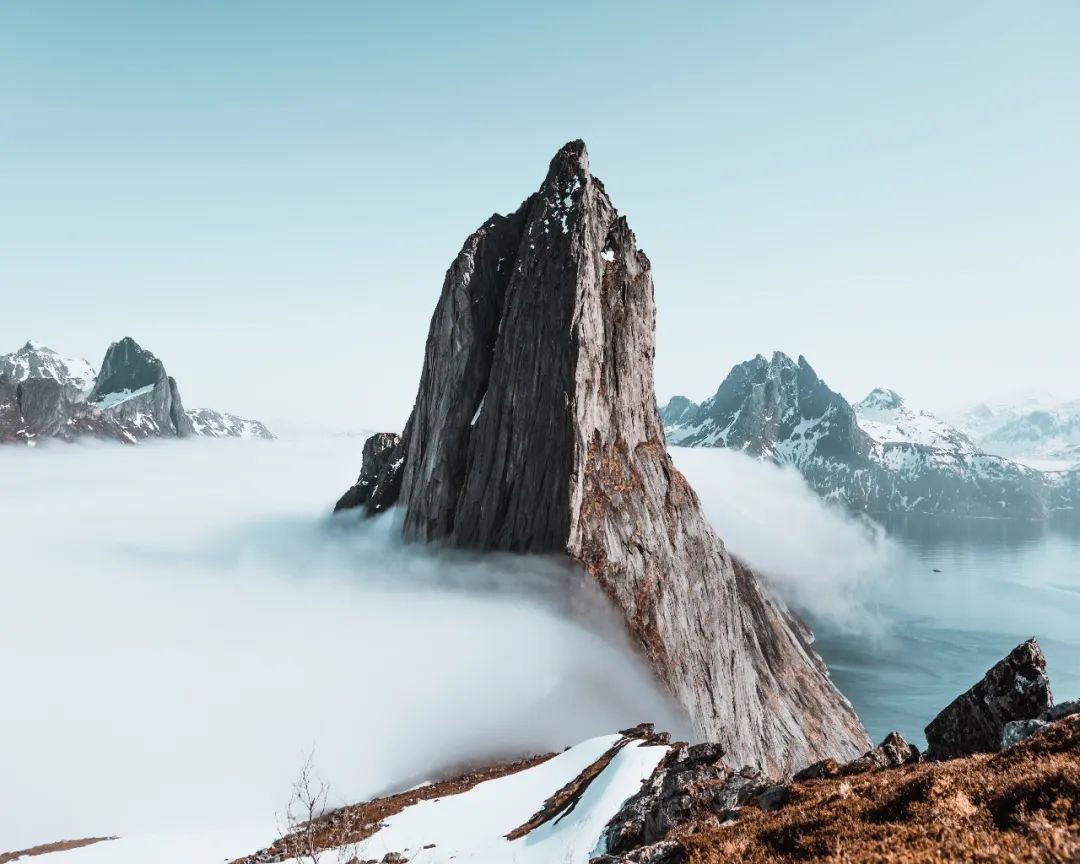
The road ahead is bumpy and dangerous, but Boloni will always be on the climbing road that overcomes the difficulties.