

How does a horizontal sliding door work?
Jul 27, 2026
Leave a message
A horizontal sliding door is a popular choice for many modern homes and commercial spaces due to its sleek design, space - saving capabilities, and aesthetic appeal. As a horizontal sliding door supplier, I am often asked about how these doors work. In this blog, I will delve into the mechanics and functionality of horizontal sliding doors.
Basic Components of a Horizontal Sliding Door
The first step in understanding how a horizontal sliding door works is to familiarize ourselves with its basic components.
Tracks
The tracks are the foundation of a horizontal sliding door system. They are typically made of metal, such as aluminum or steel, and are installed either on the floor or on the ceiling, or sometimes both. The track provides a smooth path for the door panels to slide along. The track has a specific groove that the rollers of the door fit into, ensuring that the door moves in a straight line.
Rollers
Rollers are attached to the bottom or top (or both) of the door panels. These rollers are designed to roll smoothly along the tracks. High - quality rollers are crucial for the proper functioning of the door. They are usually made of materials like nylon or metal, which can withstand the weight of the door and provide a low - friction surface for movement.
Door Panels
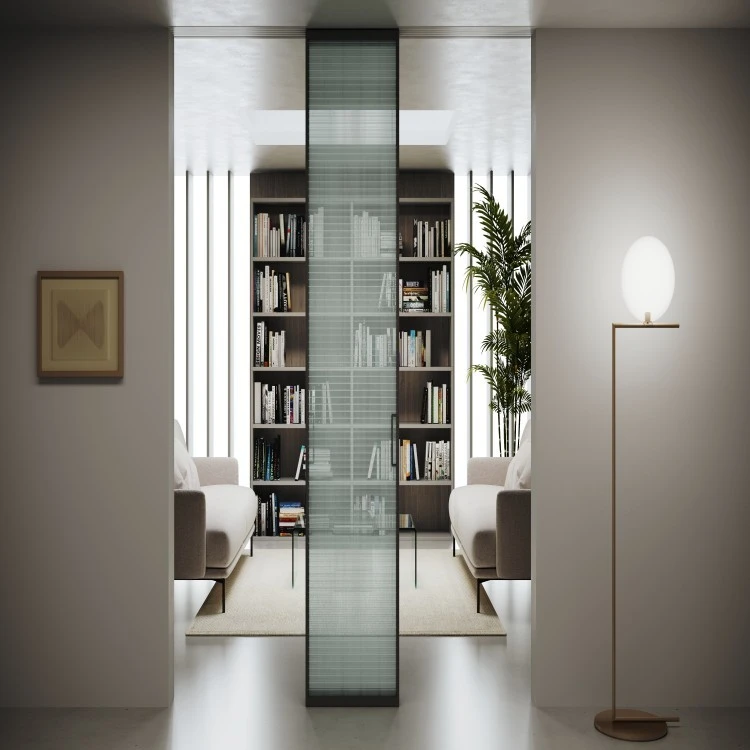
The door panels are the visible part of the sliding door. They can be made of various materials, such as glass, wood, or a combination of both. For example, Sliding Glass Doors offer a modern and elegant look, allowing natural light to enter the space. Sliding Wooden Door provides a warm and traditional feel.
Handles and Locks
Handles are used to operate the door, allowing users to slide the door open or closed. Locks are an important security feature. They can be simple key - operated locks or more advanced electronic locks, depending on the level of security required.
How the Door Slides
When you want to open or close a horizontal sliding door, you simply grasp the handle and apply a gentle push or pull. The force you apply is transferred to the rollers. The rollers then roll along the track, causing the door panel to move horizontally.
The smoothness of the sliding motion depends on several factors. First, the quality of the rollers and tracks is essential. If the rollers are worn out or the tracks are dirty or damaged, the door may not slide smoothly. Regular maintenance, such as cleaning the tracks and lubricating the rollers, can help ensure a smooth operation.
Second, the weight distribution of the door panel also affects the sliding. A well - balanced door will slide more easily. During the manufacturing process, careful attention is paid to the weight distribution to ensure that the door moves evenly along the track.
Linkage Mechanisms in Some Horizontal Sliding Doors
In some cases, horizontal sliding doors may have a linkage mechanism. Linkage Door systems are designed to allow multiple door panels to move in a coordinated way.
A linkage mechanism consists of a series of connecting rods or arms that link the door panels together. When one panel is moved, the linkage transfers the motion to the other panels, allowing them to slide in unison. This is particularly useful in large - scale applications, such as in commercial buildings or large residential spaces, where multiple sliding panels are used to create a wide opening.
Safety Features
Horizontal sliding doors are equipped with several safety features. One of the most common safety features is the anti - derailment device. This device prevents the door from coming off the track, which could cause injury or damage. It is usually a small mechanical or electronic device that keeps the rollers in place within the track.
Another safety feature is the soft - close mechanism. This feature ensures that the door closes gently, reducing the risk of slamming and preventing damage to the door and the surrounding frame. Soft - close mechanisms use hydraulic or pneumatic technology to slow down the door as it approaches the closed position.
Advantages of Horizontal Sliding Doors
There are several advantages to using horizontal sliding doors. Firstly, they are space - saving. Unlike traditional hinged doors, which swing open and require a certain amount of clearance in front of and behind the door, sliding doors move horizontally along the wall, making them ideal for small spaces.
Secondly, they offer a modern and stylish look. The clean lines and smooth operation of sliding doors can enhance the aesthetic appeal of any space. Whether it's a contemporary home or a commercial office, horizontal sliding doors can add a touch of sophistication.
Finally, they provide excellent access to outdoor spaces. Sliding glass doors, for example, can open up a large area, allowing for seamless transition between indoor and outdoor living areas.
Maintenance and Troubleshooting
To keep your horizontal sliding door in good working condition, regular maintenance is required. As mentioned earlier, cleaning the tracks and lubricating the rollers are essential tasks. You can use a mild detergent to clean the tracks and a silicone - based lubricant for the rollers.

If you encounter problems with your sliding door, such as difficulty in sliding or a noisy operation, there are a few things you can do. First, check the tracks for any debris or damage. If there is debris, clean it out. If the track is damaged, it may need to be replaced.
Next, check the rollers. If they are worn out, they can be replaced. Sometimes, the rollers may just need to be adjusted to ensure proper alignment.
Conclusion
Horizontal sliding doors are a practical and stylish choice for many applications. Understanding how they work can help you make an informed decision when choosing a sliding door for your home or commercial space. As a horizontal sliding door supplier, we are committed to providing high - quality products and excellent customer service. If you are interested in purchasing horizontal sliding doors or have any questions about our products, please feel free to contact us for a procurement discussion.
References
- "Doors and Windows: A Comprehensive Guide" by John Smith
- "Modern Door Technologies" by Jane Doe
- Industry reports on horizontal sliding door manufacturing and installation